Representatives from Dohatec New Media attended the RSA Conference 2024 in San Francisco, USA where they attended a speech by The US Secretary of State, Antony Blinken. The speech highlighted […]
Deepfakes: A Technological Challenge with Legal and Ethical Implications

The rise of deepfakes, AI-manipulated media such as images or videos that look incredibly realistic, is becoming a significant threat to online trust. These videos can be used for harmful purposes, such as causing political instability, financial fraud, or ruining someone’s reputation.
To combat this threat, a multi-pronged approach is necessary. Advancements in AI can help develop detection tools that can identify subtle inconsistencies in manipulated videos. However, deepfake creators continually refine their techniques, so it’s essential to keep adapting.
Public awareness is equally vital in combating deepfakes. Educating people on critically evaluating media can empower them to distinguish between factual and fabricated content. Collaboration with social media platforms and developing robust legal frameworks are also crucial.
The future of deepfakes relies on a delicate balance between fostering innovation and ensuring responsible use. By investing in detection, education, and legal safeguards and working together towards the same goal, we can secure a more trustworthy digital space.
Web Summit Qatar Starts: First Days Showcase Innovation and Collaboration

The inaugural Web Summit Qatar dubbed the “largest startup gathering in the Middle East,” has concluded, leaving a lasting impact on the region’s thriving tech scene. Over 15,453 attendees from 118 countries converged to experience a vibrant hub of innovation, showcasing over 1,000 startups in FinTech, healthcare, and sustainability.
The collaboration took centre stage through workshops, panel discussions, and dedicated networking events, allowing startups to connect with potential collaborators, mentors, and investors for regional and global growth. With 401 investors present, the event provided a platform for seeking investment in one of the world’s fastest-growing markets.
Big names like Microsoft, Snap, TikTok, and Meta joined government officials and community partners for knowledge sharing, sparking cross-border partnerships and paving the way for future collaboration.
Web Summit Qatar has set new standards for tech conferences. By bringing together diverse stakeholders, the event has shaped the future of technology not only regionally but globally. Its lasting legacy lies in amplifying regional voices, fostering international networking, and propelling a future built on collaboration, innovation, and progress.
Beyond the event, Qatar announced a US$1 billion investment in international and regional VC funds, further solidifying its commitment to fostering innovation and positioning the region as a prominent player in the global tech landscape. The success of Web Summit Qatar 2024 underscores the burgeoning potential of the Middle East to become a global hub for innovation.
From Red Tape to High Tech: ECPS Marks 5,000th Submissions in Dhaka

Dhaka’s construction industry has seen a significant transformation with the Electronic Construction Permitting System (ECPS), which has processed over 5,000 project submissions. The online platform has replaced the traditional paper-based process, leading to greater efficiency, transparency, and accessibility. The introduction of ECPS has resulted in faster permit approvals, minimized errors, and increased trust between government agencies and the construction industry. The system has witnessed exponential growth and is poised for further development, including the use of mobile applications and innovative features like project visualization using mapping software. The ECPS team is committed to leveraging technology to revolutionize the construction permitting process and empower the industry to achieve its full potential.
Revolutionizing Governance: GovTech’s Remarkable Journey

GovTech is causing a transformation in the domain of governance by enabling citizens to access essential services and engage with officials through online platforms. This provides real-time data insights and has the potential to enhance transparency, build a more responsive, data-driven governance model, and bridge the digital divide. However, ensuring robust cybersecurity is a crucial challenge that needs to be addressed. Nonetheless, GovTech holds the key to unlocking the future of governance, such as predicting and preventing natural disasters with big data and securing land registries and financial transactions with blockchain technology. It is crucial for citizens to join this transformative journey towards a digital future of governance by engaging with their government online.
Inclusive Innovation: BCIs Boost Accessibility

Brain-computer interfaces (BCIs) are transforming sensory perception, offering hope for people with impairments and pushing the boundaries of human experience. By directly linking the brain to external devices, BCIs can restore lost senses like vision and hearing, as well as enhance natural capabilities. These advancements not only empower individuals but also enrich society by promoting independence and social connection.
Despite their significant progress, BCIs face challenges in accessibility, affordability, and ethical considerations. However, the potential for creating entirely new sensory experiences is on the horizon. Integrating BCIs with sensory prosthetics could lead to groundbreaking advancements, allowing us to perceive the world in ways that were previously unimaginable.
However, these advances also raise ethical dilemmas surrounding privacy, identity, and social justice. Responsible development and equitable access are crucial to address these concerns and ensure that BCIs benefit humanity as a whole.
Ultimately, the journey of BCIs in sensory augmentation invites us to explore the essence of human perception and the possibilities of technology. With careful consideration and open dialogue, we can navigate this uncharted territory and unlock the transformative potential of BCIs while upholding ethical responsibility.
Confronting the Dual Dilemmas: Tackling Corruption at Benapole Port and Digital Land Service Flaws in Bangladesh’s Modernization Drive

Recent reports from leading Bangladeshi newspapers have brought to light critical challenges in the nation’s digital and physical infrastructures. The Daily Star’s investigation revealed a weight tampering scandal at Benapole port, involving corruption and misuse of the port’s logistic operations. Meanwhile, The Financial Express reported on the abuse of online land services, specifically the e-Namjari (e-mutation) system, where corruption and inefficiencies undermined its purpose of simplifying land registration and tax payments.
These issues highlight a disconnect between technological advancement and governance, underscoring the need for systemic reforms and stronger oversight. The incidents at Benapole port and within the digital land services are indicative of broader challenges in ethical governance and transparent administration in Bangladesh’s journey towards modernization and digital transformation.
The Quest for Trustworthy Digital Identity: Innovations, Risks, and Inclusivity
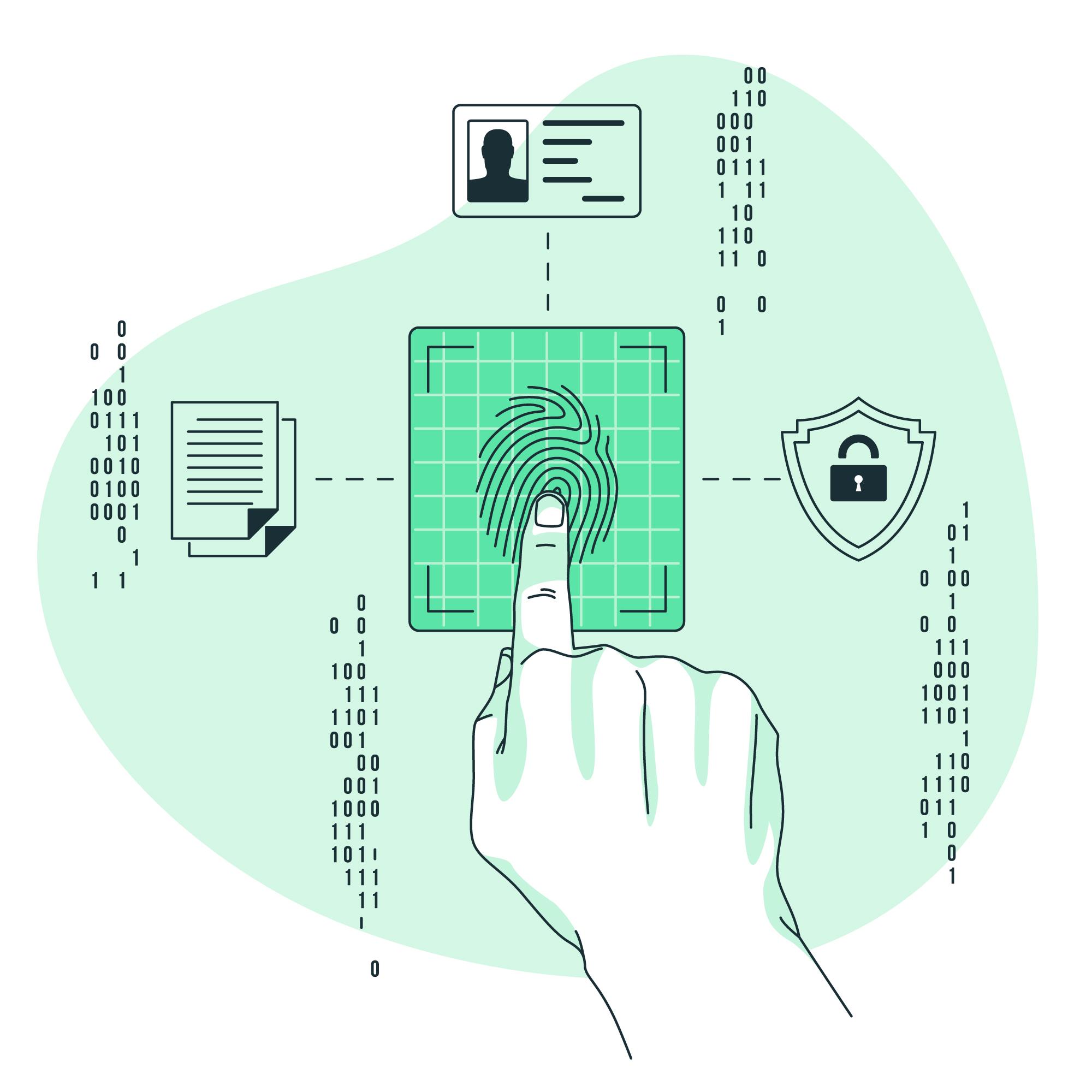
In today’s digital governance, digital identity serves as the gateway to streamlined government services, promising convenience but raising concerns about privacy and inclusion. The debate between centralized and decentralized systems persists, while biometrics and blockchain emerge as solutions. While these innovations promise efficiency, bridging the digital divide is crucial for inclusivity. To build trust, governments must prioritize data protection, transparency, and community engagement. Collaborative efforts among governments, tech firms, and society are vital in shaping a secure, transparent, and inclusive digital identity landscape for all.
Echo Chambers, Disinformation, and More: Social Media in Politics

Social media has transformed political discourse by democratizing the space and providing a platform for diverse voices to express their opinions. However, this transformation has brought forth several challenges, including the rise of echo chambers and filter bubbles, the spread of misinformation and disinformation, and the erosion of trust in institutions. To protect democratic processes and promote informed citizenry, it is essential to evaluate information critically, foster digital literacy, recognize fake news, and be mindful of the potential biases in media and political messaging. Mitigating the negative impacts of echo chambers and filter bubbles requires a multi-faceted approach that includes algorithmic tweaks and media skepticism.
Edge Computing and the Internet of Things (IoT): A Powerful Combination for the Future
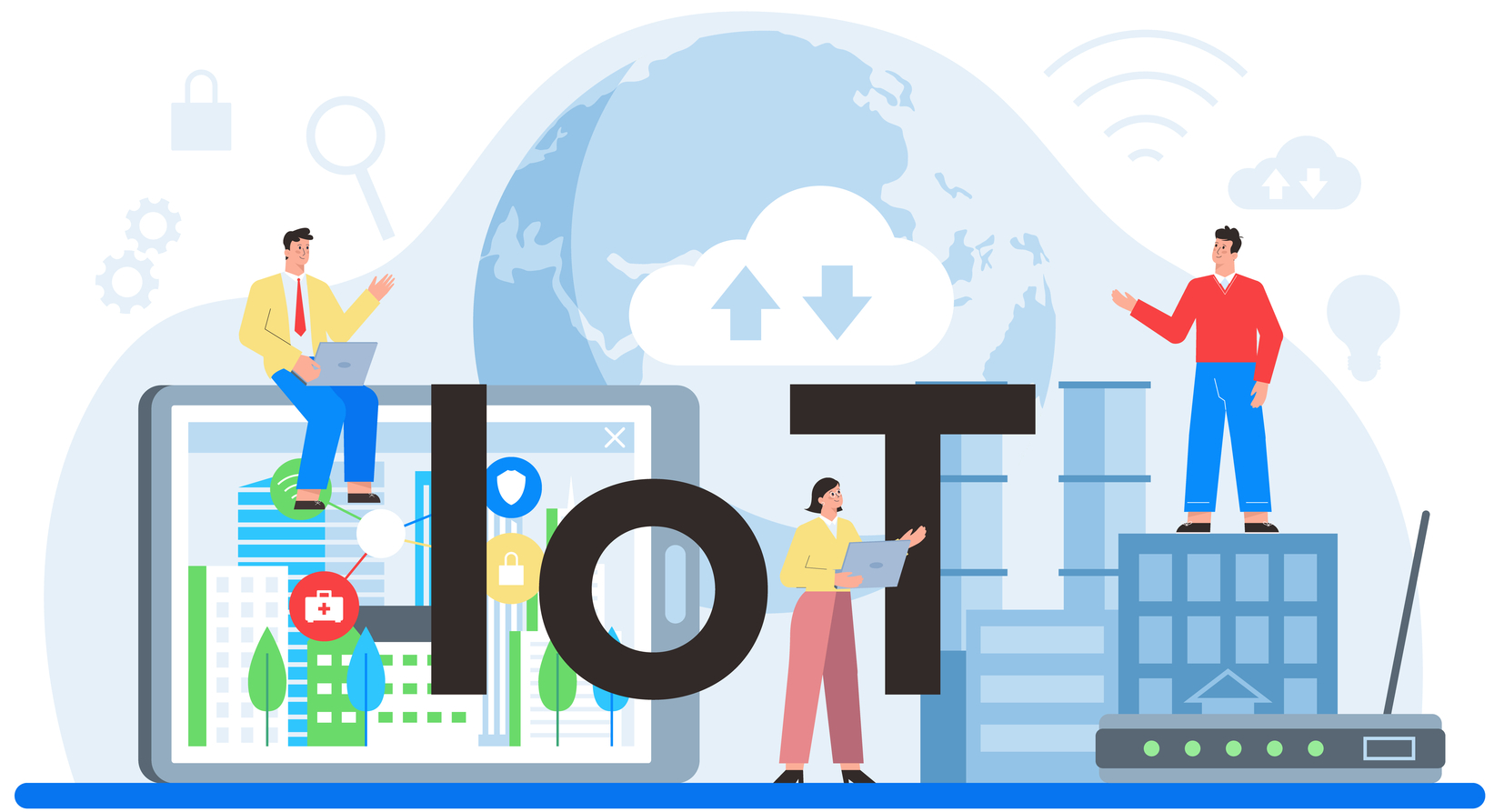
The collaboration between Edge Computing and IoT revolutionizes data processing by bringing it closer to the data source. IoT connects everyday objects to gather data, while Edge Computing ensures faster, localized processing. This partnership enhances applications like predictive maintenance and video analytics, offering swift decision-making and bolstered security. Challenges include standardization and security measures, but this collaboration promises innovation across industries, paving the way for a connected, efficient future.