Author – Nuzhat Atiqua Nafis Introduction In response to these emerging challenges, Bangladesh Bank introduced the Cybersecurity Framework Version 1.0 in February 2025. This is a landmark development for Bangladesh. More […]
Decoding Digital Dangers: Dohatec at RSAC 2026

RSAC 2026 concluded last week in San Francisco, with Dohatec once again represented at this landmark event. Ms. Taslima and Mr. Masud attended on behalf of the organisation — continuing […]
Beyond the Firewall: Why Software Supply Chain Security Matters for Bangladesh
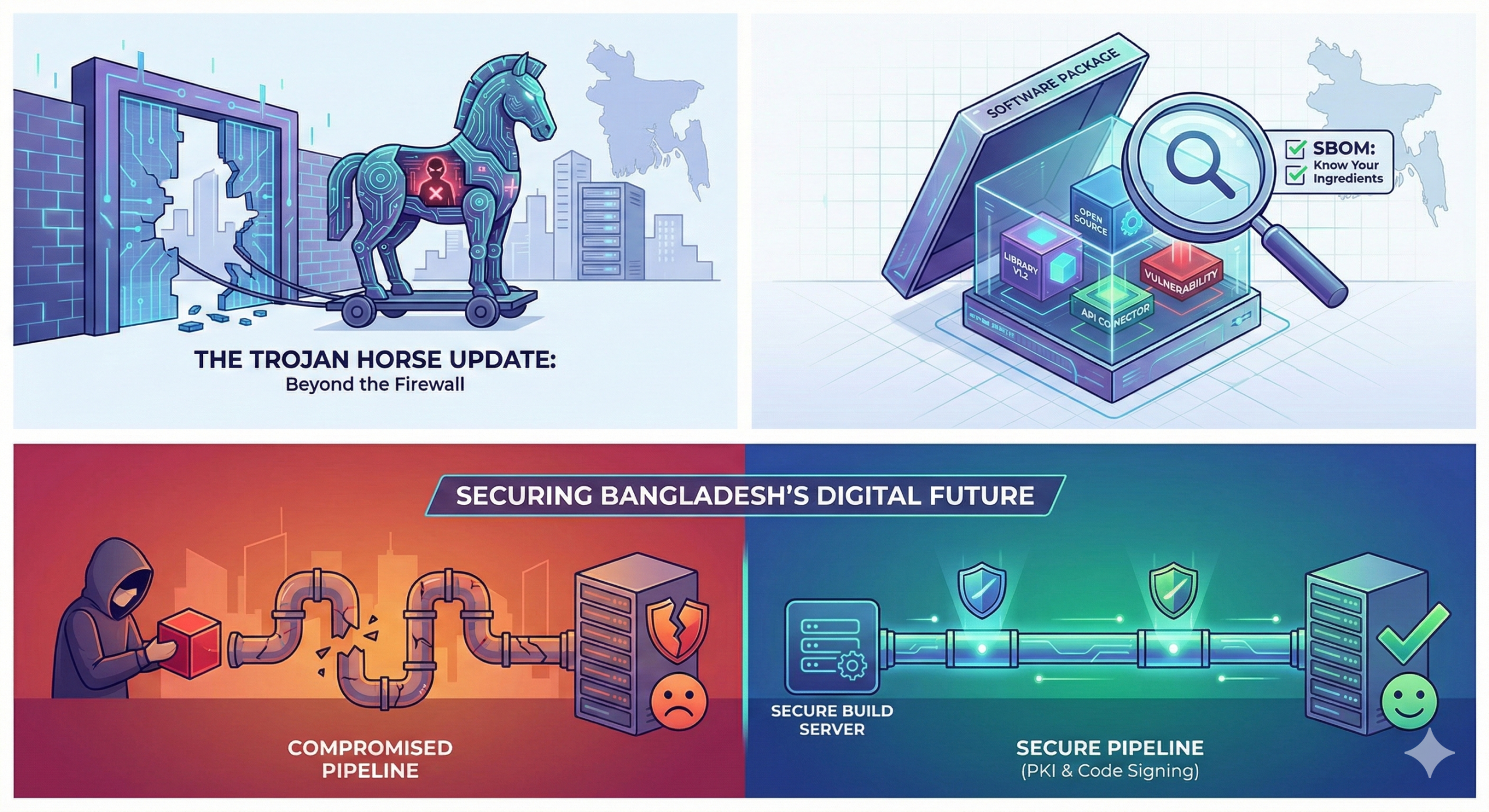
For decades, the conventional response to cybersecurity threats in Bangladesh, as well as around the world, has been the “castle defence.” Corporations have invested significant sums in building higher walls […]
Elevating Government Cybersecurity: Strategies for a Secure and Resilient Digital Future
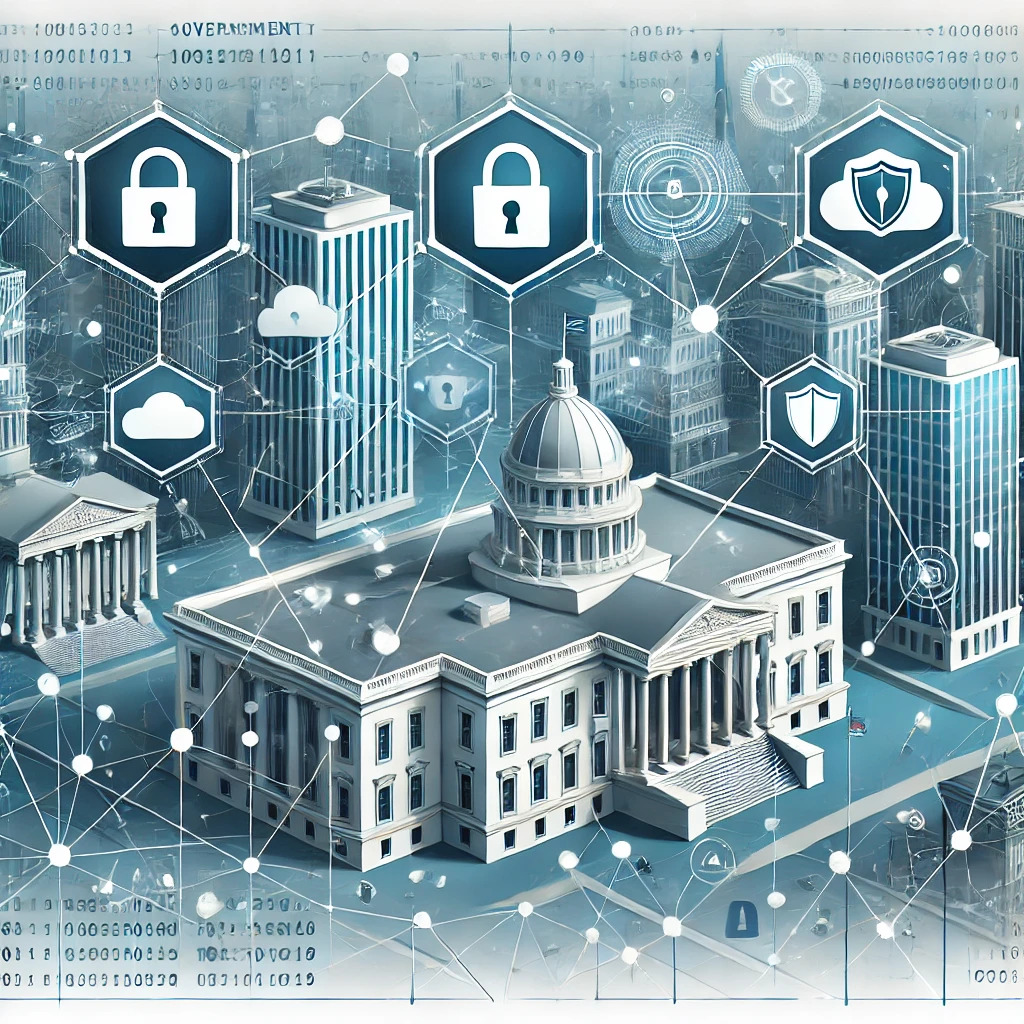
A fundamental transformation is in progress as governments quickly digitize fundamental functions and public services to expand access and convenience to citizens. The tax filing, city utility administration, and license […]
Exploring New Frontiers: Dohatec at the 7th BMIC

The 7th BMIC in Bangkok, Thailand, provided a valuable platform for Dohatec to engage with global leaders in border management and identity solutions. The conference highlighted the importance of collaboration and the role of technology in addressing the challenges of modern border security. Dohatec gained valuable insights into emerging trends and best practices, which will inform the development of innovative solutions and contribute to a more secure and interconnected world.
A Framework for Privacy: Understanding Bangladesh’s Data Laws
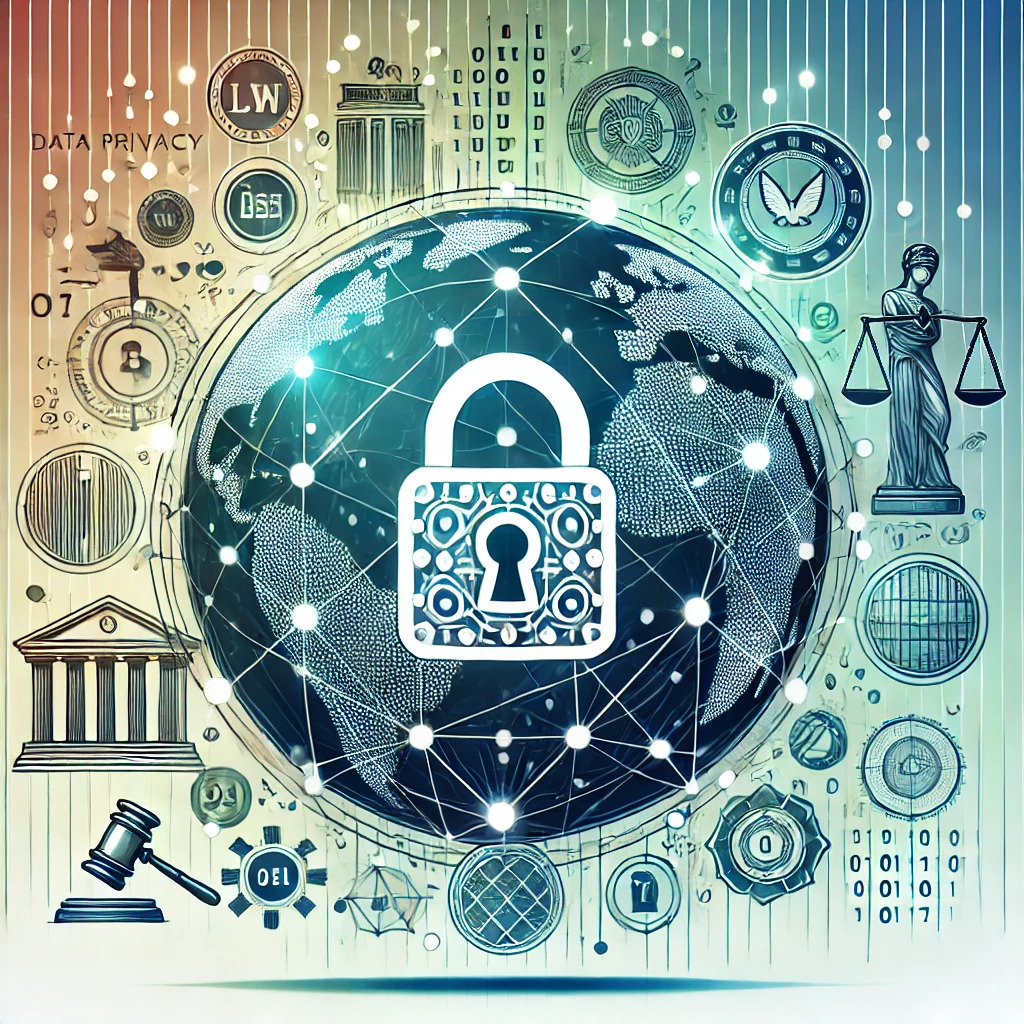
In today’s digital age, personal data has become an invaluable asset. As individuals and organizations increasingly rely on technology, the risks associated with data breaches and unauthorized access have grown significantly. Bangladesh, like many countries, has recognized the importance of data privacy and has taken steps to strengthen its legal framework. However, challenges remain in ensuring effective implementation and enforcement.
This article explores the current state of data privacy in Bangladesh, including the key regulations and initiatives in place. It also examines the challenges faced in implementing these laws and the potential benefits of a robust data privacy framework. By understanding the importance of data protection and taking proactive measures, Bangladesh can safeguard its citizens’ rights, foster innovation, and build a more secure digital future.
Adapting and Advancing: Ethical Hacking in the Digital Age

In today’s digital landscape, where cyber threats are becoming increasingly sophisticated, ethical hacking has become a crucial component of a robust cybersecurity strategy. Ethical hackers can help organizations strengthen their defences and mitigate cyberattack risks by proactively identifying and exploiting vulnerabilities. This practice is particularly critical for governments, which often handle sensitive data that is highly valuable to malicious actors. Ethical hackers can simulate real-world attacks, allowing organizations to identify weaknesses and develop effective countermeasures, ultimately protecting critical infrastructure and national security.
Trust No One: The Zero Trust Imperative
The digital landscape is volatile, marked by escalating cyber threats. As organizations become increasingly reliant on technology for operations, the potential consequences of cyberattacks have grown exponentially. Traditional security models […]
AI & ML Power Up Security: Analyzing, Anticipating & Adapting to Threats

The digital landscape is teeming with cyber threats, demanding robust defenses. Traditional methods struggle with the vast amount of data security analysts need to sift through. AI and Machine Learning (ML) are emerging as powerful tools, empowering security teams. AI excels at analyzing large datasets, identifying hidden threats, and automating tasks. Unlike overwhelmed human analysts, AI can uncover subtle anomalies that might signal a security breach. ML algorithms continuously learn and adapt, enabling AI to stay ahead of evolving cyber threats. This proactive approach extends beyond threat detection. AI can predict potential attacks and vulnerabilities, allowing organizations to take preventive measures. However, AI isn’t a silver bullet. Cybercriminals constantly develop new tactics, and AI requires ongoing updates to maintain effectiveness. Additionally, ethical considerations regarding data privacy and bias in training data must be addressed. Overall, AI and ML are revolutionizing cybersecurity, offering a powerful line of defense in the ongoing battle against cybercrime.
IAB and Dohatec CA Sign MoU

On Saturday, May 18, 2024, the Institute of Architects Bangladesh (IAB) and Dohatec CA signed a Memorandum of Understanding (MoU). This agreement will enable Dohatec CA to provide the necessary […]