
Algorithms, integral to today’s data-driven world, can inadvertently perpetuate biases, impacting areas like loan approvals and facial recognition systems, leading to societal inequalities. These biases stem from data collection methodologies, algorithm design, and human decision-making, reflecting incomplete or biased information. Unconscious human biases also seep into algorithm crafting, underscoring the importance of diverse development teams to counteract this effect.
Diverse and inclusive datasets are crucial to address bias in big data analytics. Fairness-aware algorithms and continuous monitoring using fairness metrics help counteract biases. Transparency and explainability in AI systems are essential for identifying and removing biases.
Responsible AI implementation requires ethical frameworks, public awareness, and ongoing research to mitigate bias. It’s imperative to prioritize fairness and equity in the digital realm, ensuring AI contributes to a just and equitable future for all.
Innovative Inclusivity: Tech’s Transformation in Traditional Classrooms

Traditional classrooms can be a challenge for students with disabilities, but inclusive education embraces differences. Technology, such as text-to-speech software and virtual reality, can help students overcome learning gaps and provide more opportunities for them to learn.
Adaptive technology is particularly helpful as it can customize learning experiences to accommodate individual needs. This technology can help create inclusive and diverse learning environments, where all students can learn together.
There are many technology tools available to support inclusive learning, including virtual reality simulations and personalized learning platforms based on Universal Design for Learning principles. However, it is essential that educators receive proper training in order to use these tools effectively.
The future of education depends on technology’s ability to create inclusive classrooms. Collaboration among educators, policymakers, and tech developers is key to unlocking the potential of technology for equitable education.
Augmented Reality’s Privacy Paradox: Safeguarding User Data in an Evolving Digital Landscape

Augmented Reality (AR) is a technology that combines digital and physical worlds but raises privacy concerns due to its extensive data collection. To protect privacy, Privacy-by-Design principles should be embedded into development, granular user controls should be offered, and transparent data collection disclosures ensured. Regulatory frameworks specific to AR are necessary, along with user education, tools, and advocacy for user-friendly privacy controls. Balancing technological innovation and privacy preservation in AR is crucial for safeguarding individual autonomy and data privacy.
Creator Economy: What It Is and Why Is It Important?

The creator economy is a thriving online industry where people create and monetize content. It is significant because it democratizes media and entertainment and provides new opportunities for people to make a living from their creativity. Social media platforms, new technologies, and the changing nature of work have contributed to its rise. The creator economy is still in its early stages, but it has the potential to revolutionize the way we consume media and entertainment.
Augmented Reality (AR): Transforming Business

Augmented reality (AR) is a technology that overlays digital images onto the real world, providing interactive and immersive experiences. Businesses are using AR to improve customer experiences, boost sales, and increase brand awareness.
Harnessing Technology to Build a Better World

The world has undergone a significant transformation thanks to emerging technologies that were once considered impossible. The development of new technologies, such as Artificial Intelligence (AI), blockchain, and the Internet […]
Remote Work, Digital Nomads, and the Future of Jobs

Remote work or work from home has become familiar since the COVID-19 pandemic. While the idea of working away from the workplace can be traced back to the 70s, it […]
Green Tech Revolution: Big Names Going Miles
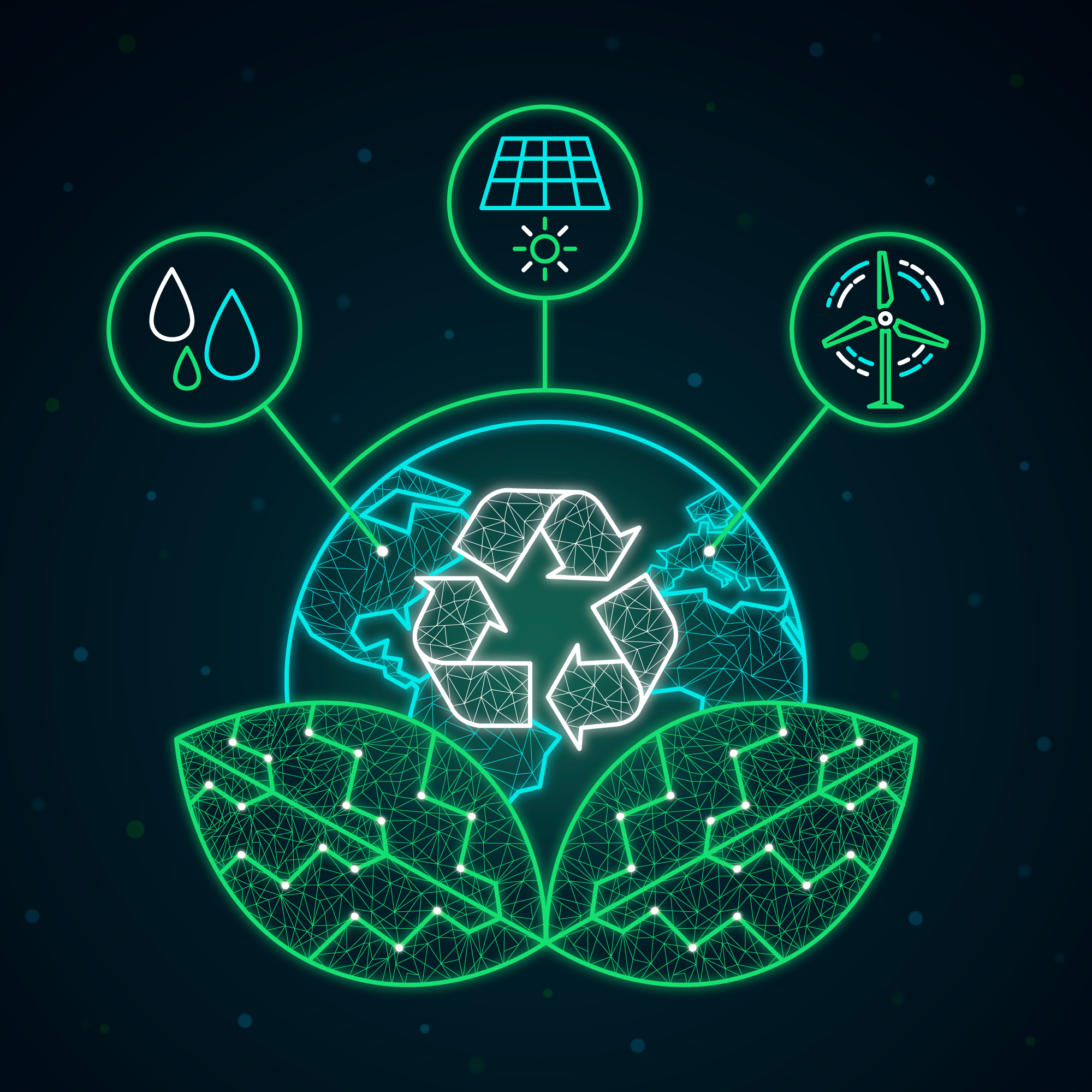
Even though it’s now on the rise, eco-friendliness is not a new trend. People are more aware than ever and want to leave a better world behind for generations. Climate […]
Threads by Meta: is it the kryptonite of Twitter?
Mark Zuckerberg needs no introduction. As the founder of Facebook, he created a world within the internet. The world, which he likes to call “metaverse” is mirrored by its parent […]
Top Technology Trends in 2023 That Will Define The Future

As we are entering a new era of technology, it is critical to identify the insights and predictions of thought leaders impacting our technology landscape. Bernard Marr, is a well-known […]